
Disclaimer: I am an expert veterinary nutritionist, not a veterinarian. The information provided in this article is for educational purposes only and does not constitute medical advice. Always consult your veterinarian for specific recommendations regarding your cat’s health and dietary needs.
Receiving a diagnosis of chronic kidney disease (CKD) for your beloved feline friend can be a daunting moment. It’s a common condition, particularly in older cats, but hearing the news doesn’t make it any less stressful. You might feel overwhelmed by medical terms and unsure of what the future holds.
However, there is a silver lining. Early detection offers a significant opportunity. With the right management strategies—specifically regarding nutrition—you can support renal health and maintain your cat’s quality of life for years to come.
This guide aims to navigate the complex world of feline nutrition, specifically tailored for UK cat owners. We will explore why diet is the cornerstone of managing kidney disease, how to identify the best food for cats with early-stage kidney disease in the UK, and how to transition your cat to a new way of eating without the stress.
Understanding Early-Stage Kidney Disease in Cats
What is Kidney Disease?
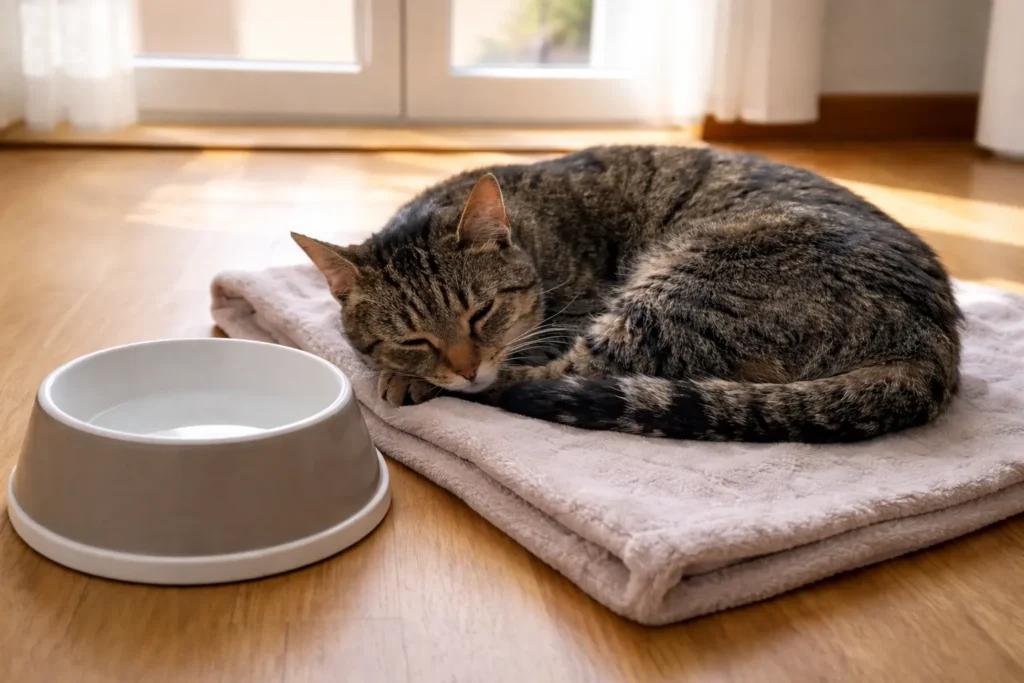
The kidneys are vital organs responsible for filtering waste products from the blood, regulating blood pressure, and maintaining electrolyte balance. When a cat has chronic kidney disease (CKD), the kidneys gradually lose their ability to function correctly. This is a progressive condition, meaning it tends to worsen over time.
However, “progressive” doesn’t mean “immediate.” Many cats live happy lives for a long time after diagnosis. The key is to slow the progression of chronic kidney disease through careful management.
What are the Signs of Early-Stage CKD?
Early-stage CKD (often referred to as IRIS Stage 1 or early Stage 2) can be subtle. Unlike advanced renal failure where symptoms are obvious, early kidney issues might be easily missed.
Common signs in the early stages include:
- Increased thirst and urination: You might notice the water bowl emptying faster or more clumps in the litter tray.
- Subtle weight loss: A gradual decrease in body condition.
- Decreased appetite: Your cat may be pickier than usual.
- Lethargy: Sleeping more or playing less.
Because these signs are vague, regular veterinary check-ups are essential for catching disease in cats early.
How is CKD Diagnosed?
Veterinarians use blood and urine tests to diagnose kidney issues. They look for elevated levels of waste products like creatinine and SDMA (Symmetric Dimethylarginine), which is a sensitive marker for early renal decline. They also check urine specific gravity to see how well the kidneys are concentrating urine.
If your vet has mentioned “early stage” or “Stage 1,” it means the kidney function is impaired but not yet failing completely. This is the ideal time to intervene with a specific renal diet.
Why Diet Matters: The Principles of a Renal Diet
Diet is arguably the most powerful tool we have for managing CKD. Clinical studies, such as those published in the J Vet Intern Med, have shown that cats fed a renal diet live significantly longer and have a better quality of life compared to those fed a standard maintenance diet.
But what makes a kidney diet different?
The Importance of Low Phosphorus
Phosphorus restriction is the golden rule of any renal diet. Damaged kidneys struggle to filter excess phosphorus from the blood. High phosphorus levels can make the cat feel unwell and contribute to ongoing renal damage.
By restricting dietary phosphorus, we reduce the workload on the kidneys. This can help prevent a condition called secondary renal hyperparathyroidism, which affects calcium balance and bone health.
Controlled, High-Quality Protein
There is a long-standing debate about protein restriction. In the past, severe protein restriction was common. Today, veterinary nutritionists emphasize high-quality, digestible protein rather than just low protein.
Cats are obligate carnivores; they need protein to maintain muscle mass. A diet for cats with CKD should contain just enough protein to meet their needs without creating excessive nitrogenous waste, which the kidneys must process. The goal is to minimize waste products while preventing muscle wasting.
Omega-3 Fatty Acids
Omega-3 fatty acids, specifically EPA and DHA found in fish oil, have anti-inflammatory properties. They help support kidney health by improving blood flow to the kidneys and reducing inflammation within the kidney tissues. Most therapeutic renal diets are fortified with these beneficial fats.
Moisture Content: Wet vs. Dry Food
Hydration is critical. Cats with CKD are prone to dehydration because their kidneys can no longer conserve water efficiently.
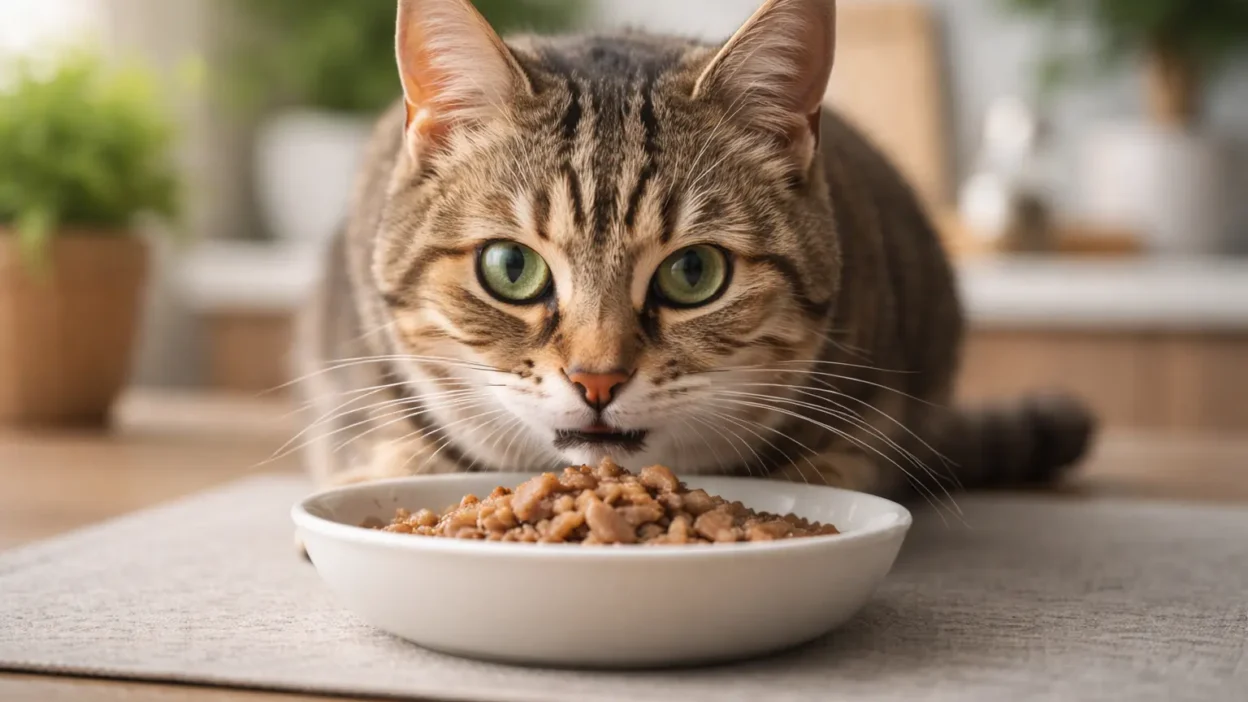
Wet food is generally preferred over dry cat food because it naturally increases water intake. A wet diet can contain up to 75-80% moisture, whereas dry kibble is only about 10%. However, the best food is the one your cat will actually eat. If your cat refuses wet food, a renal dry food is still better than a standard diet, provided you encourage drinking in other ways.
Palatability is Key
A renal diet only works if the cat eats it. Cats with kidney disease often suffer from nausea or a poor appetite. Therefore, renal food must be highly palatable. Many brands use “flavour enhancers” and high fat content to make the food irresistible to picky eaters.
Top Food Choices for Cats with Early-Stage Kidney Disease in the UK
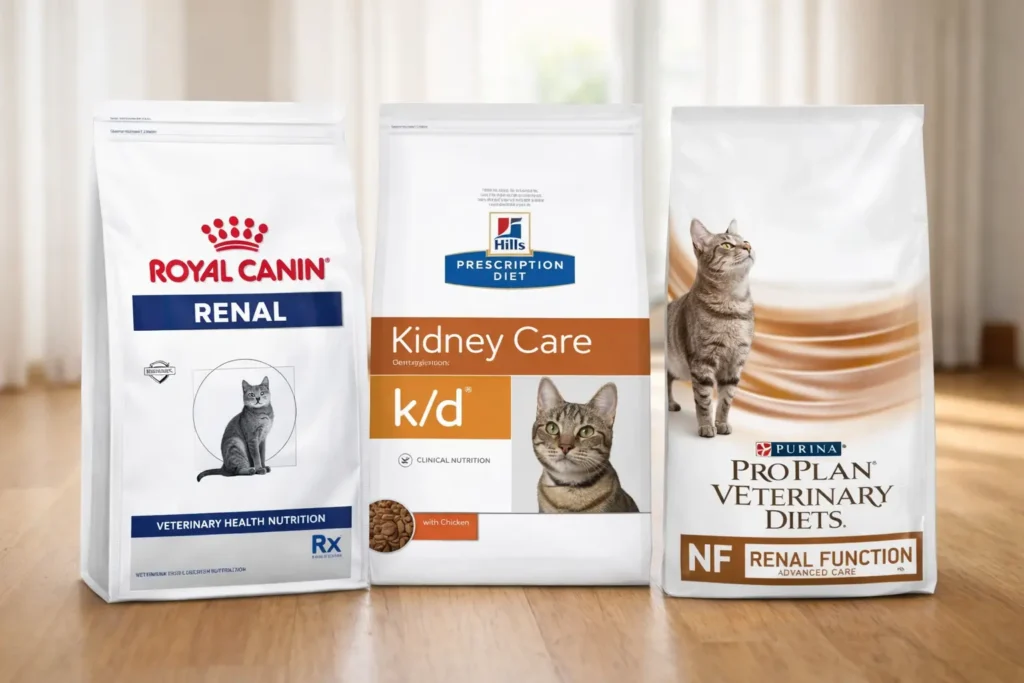
The UK market offers excellent veterinary-formulated options. These are often prescription diets, meaning you should consult your vet before purchasing.
Royal Canin Renal
Royal Canin is a staple in veterinary clinics across the UK. They offer a comprehensive range of renal diets for cats, including specific options for early diagnosis.
- Royal Canin Early Renal: This is specifically designed for IRIS Stage 1. It has moderate phosphorus restriction (not as severe as advanced renal diets) and added nutrients to support ageing kidneys.
- Variety: They offer various textures (chunks in gravy, loaf, dry kibble) and aromas to tempt fussy eaters.
Hill’s Prescription Diet k/d
Hill’s Prescription Diet k/d is another market leader backed by extensive research. Their “Enhanced Appetite Trigger” (E.A.T.) technology is designed specifically for cats with CKD who may have lost interest in food.
- Clinical Evidence: Studies have shown that Hill’s k/d supports renal function and extends life expectancy in cats with naturally occurring chronic renal failure.
- Early Support: Like Royal Canin, they have formulations that support kidney and joint health simultaneously, which is great for geriatric cats.
Purina Pro Plan Veterinary Diets
Purina Pro Plan Veterinary Diets NF Renal Function offers both early and advanced care options.
- NF Renal Function Early Care: This specific formulation contains restricted phosphorus levels suitable for early-stage disease but maintains higher protein levels than advanced renal foods to support muscle mass in cats that are not yet uremic.
- Palatability: Many owners report high acceptance rates with Purina’s wet pouches (Salmon and Chicken flavours are popular in the UK).
Other Brands and Considerations
While the “big three” (Royal Canin, Hill’s, Purina) dominate the prescription market, other options exist. Brands like Specific and Virbac also offer veterinary renal diets in the UK.
It is crucial to avoid generic “senior” diets unless specifically advised by your vet. While senior diets often have lower phosphorus than kitten food, they are rarely restricted enough to be considered a therapeutic kidney diet.
Discussing Phosphate Binders
If your cat absolutely refuses to eat a renal diet, do not starve them. A cat that doesn’t eat can develop a dangerous condition called hepatic lipidosis (fatty liver).
In these cases, your vet might suggest feeding their favourite senior wet food but adding a phosphate binder. This medication binds to phosphorus in the food, preventing it from being absorbed into the bloodstream. It’s not as effective as a dedicated renal diet, but it is a viable “Plan B.”
How to Transition Your Cat to a Renal Diet
Changing a cat’s diet is an art form, especially when that cat is feeling under the weather. A sudden switch can cause tummy upsets or food aversion.
Gradual Introduction
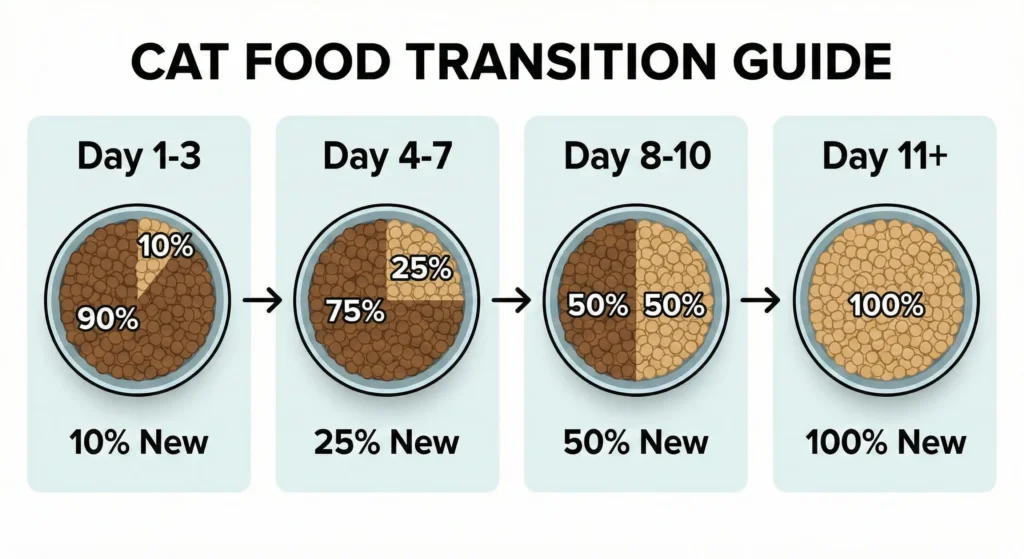
Patience is vital. Plan for the transition to take 2-4 weeks.
- Days 1-3: Mix a tiny amount of the new renal food with their current old food (e.g., 10% new, 90% old).
- Days 4-7: Gradually increase the new food to about 25%.
- Week 2: Aim for a 50/50 mix.
- Week 3-4: Slowly reduce the old food until they are eating 100% renal diet.
Monitoring Your Cat’s Reaction
Watch for signs of refusal. If your cat picks out the old food and leaves the new, stop increasing the ratio. Go back a step. It is better to transition slowly than to have the cat stop eating entirely.
Tips for Picky Eaters
- Warm it up: Gently warming wet food to body temperature releases aromas that can stimulate appetite.
- Flat bowls: Use wide, shallow dishes to prevent whisker fatigue.
- Freshness: Renal diets are high in fat and can go stale quickly. Buy smaller bags of dry food and keep them sealed.
- Texture: If they hate the chunks, try a pâté or loaf texture.
Additional Support and Considerations
The Role of Water
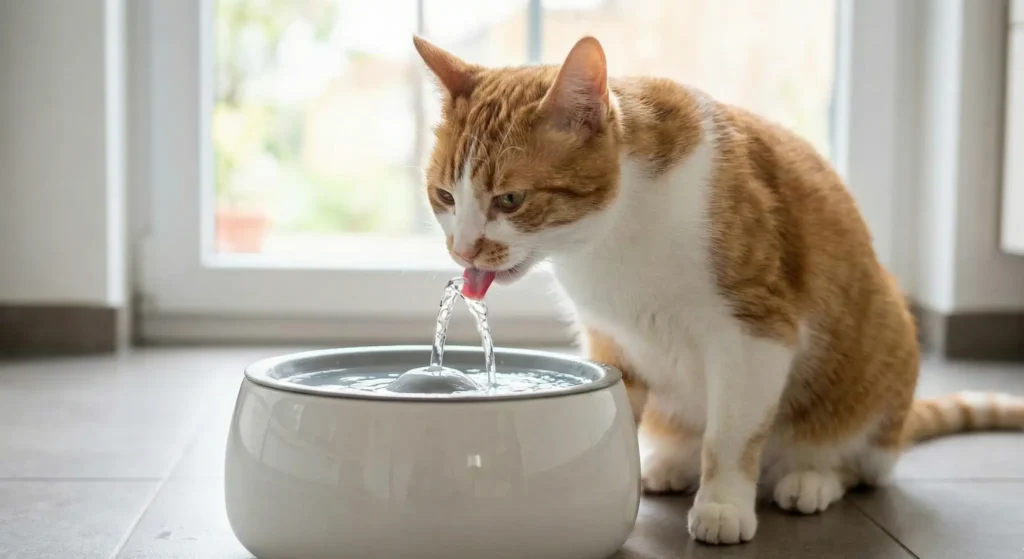
We cannot overstate this: water is life for a kidney cat.
- Add water fountains to your home; running water is often more appealing.
- Place multiple water bowls in different rooms (away from litter trays).
- Add a teaspoon of water to their wet food to create a “soup.”
Regular Veterinary Check-ups
Managing chronic kidney disease in cats requires teamwork. Regular blood tests allow your vet to monitor creatinine and potassium levels. They can check if the diet is working or if the disease progresses.
Your vet will also monitor blood pressure. Hypertension is common in cats with CKD and can cause blindness or strokes if left untreated.
Managing Other Health Conditions
Many older cats with early kidney issues also have other conditions like hyperthyroidism or osteoarthritis.
- Hyperthyroidism: Unmanaged thyroid issues can mask kidney disease. Treating the thyroid often reveals the true state of kidney function.
- Arthritis: If your cat is in pain, they won’t eat. Managing joint pain is a crucial part of maintaining food intake.
- Weight Management: Keeping your cat at a healthy weight is essential. Obesity can complicate health issues, while being underweight reduces their reserves to fight illness. For more on weight management and specialized diets, see our guide on GLP-1 cat food trends.
Conclusion
A diagnosis of early-stage kidney disease is a call to action, not a reason for despair. By choosing the best food for cats with early-stage kidney disease in the UK, you are taking a proactive step to support your pet’s health.
Remember the key principles: low phosphorus, high-quality protein, and plenty of moisture. Whether you choose Royal Canin, Hill’s, or Purina, the “best” diet is the one that meets nutritional goals and ends up in your cat’s tummy, not the bin.
Work closely with your vet, take the transition slowly, and cherish the time with your feline companion. With the right renal care, your cat may live happily for years to come.
The prognosis is usually excellent with early recognition and appropriate dietary treatment. Most cats with IRIS Stage 1 (and many with early Stage 2) CKD will live quite happily for a few years (often three or more) with a good quality of life. The issue is to slow the progress through diet and not to let them get dehydrated.