
We all know the look. It’s 5:00 PM, and your feline friend is staring at you with wide, pleading eyes, letting out a soft meow that melts your heart. You reach for the treat jar because you love them, and giving them a snack is one of the primary ways we bond with our pets. But as we move into 2026, we are facing a heavy reality: our cats are getting heavier, and it is impacting their health.
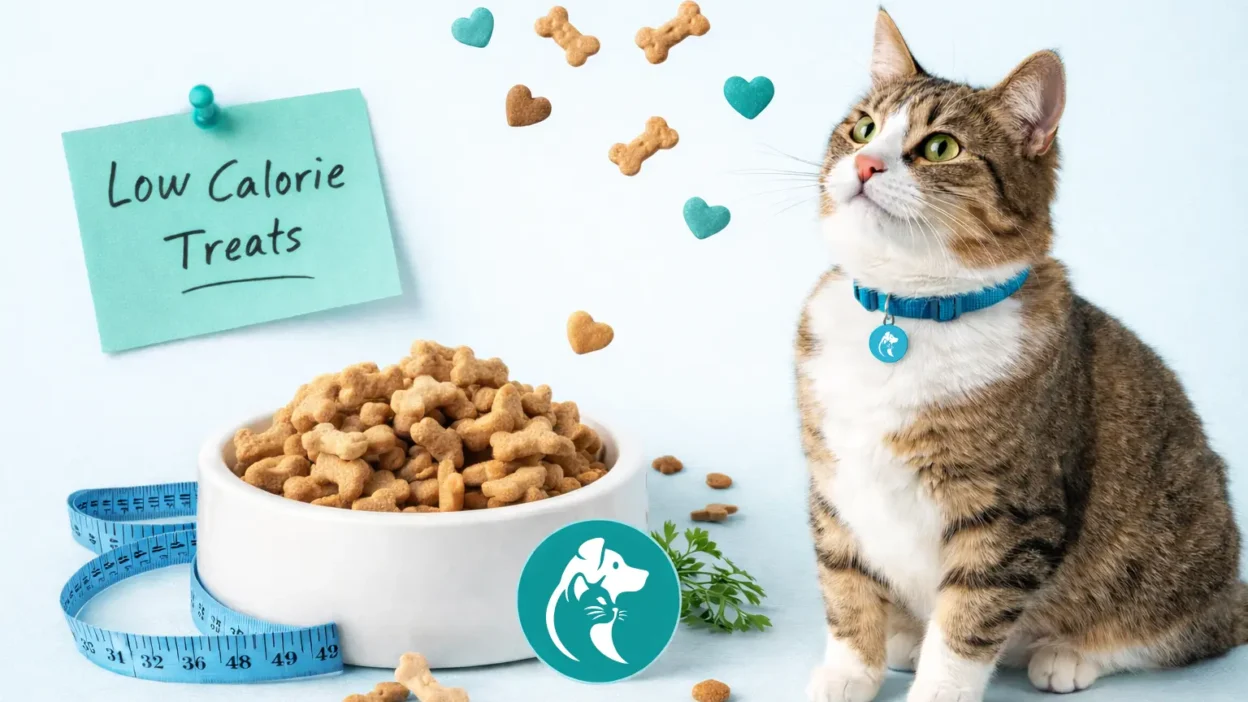
You might feel like putting your cat on a diet means becoming the “bad guy,” denying them the joy of a tasty reward. But here is the good news: weight loss does not mean the end of treating. It just means treating smarter. By swapping out calorie-dense, carb-heavy snacks for high-protein, low-calorie alternatives, you can continue to spoil your kitty without derailing their health goals.
In this guide, we will navigate the world of feline nutrition, specifically focusing on the 10% rule—a veterinary gold standard which states that treats should never exceed 10% of your cat’s daily calorie intake. Whether you are looking for a crunchy snack or a freeze-dried reward, we have identified the best options to help your cat slim down safely.
Why your cat is overweight and why it matters
It is easy to think a chubby cat is just “more to love,” but excess weight poses serious risks. According to the 2024 survey by the Association for Pet Obesity Prevention, approximately 33% of cat owners categorized their pets as overweight or having obesity. This is a growing concern that goes beyond aesthetics.
When a cat carries extra pounds, they are at a significantly higher risk for chronic conditions like diabetes, osteoarthritis, and high blood pressure. Furthermore, obesity can shorten their lifespan, robbing you of precious years with your companion.
The science of weight loss
Managing a cat’s weight is tricky because their physiology is unique. Unlike dogs or humans, cats who stop eating suddenly or lose weight too fast are at risk of hepatic lipidosis (fatty liver disease). A safe rate of weight loss is typically 0.5% to 2% of their body weight per week.
If you are currently exploring pharmaceutical options or specialized diets, you might want to read our detailed breakdown on GLP-1 Cat Food & Weight Loss: A Vet’s 2026 Guide, which dives deep into the latest medical advancements for feline obesity. However, for most pet parents, the journey starts with calorie control and choosing the right treats.
What makes a low-calorie cat treat effective?
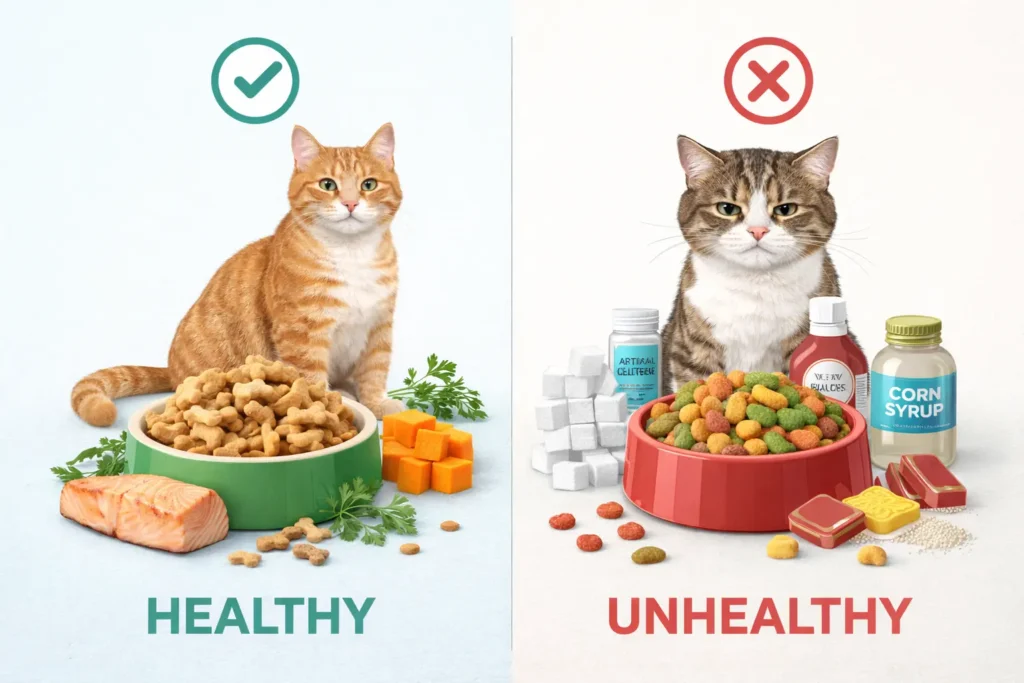
Not all treats are created equal. When scanning the aisle for a healthy cat treat, ignore the flashy marketing and flip the bag over to look at the nutritional analysis. Here is what you need to look for to ensure you aren’t accidentally stalling your cat’s progress.
High protein content
Cats are obligate carnivores. Their bodies are designed to process animal proteins efficiently. A high-protein treat supports lean muscle mass, which is the engine of your cat’s metabolism. The more muscle they have, the more calories they burn at rest. Look for treats where the first ingredient is a named meat source like chicken, turkey, or salmon.
Limiting carbohydrates
Many commercial treats are packed with fillers like wheat, corn, or soy to keep costs low. Unfortunately, these carbs spike blood sugar and are easily stored as fat. A low-calorie cat treat should be grain-free or very low in carbohydrates.
Fiber for satiety
Fiber is a secret weapon in weight management. It helps your cat feel full without adding significant calories. Ingredients like pumpkin or specialized plant fibers can aid digestive health and curb that constant begging behavior.
Best low-calorie ingredients: Chicken, Salmon, and more
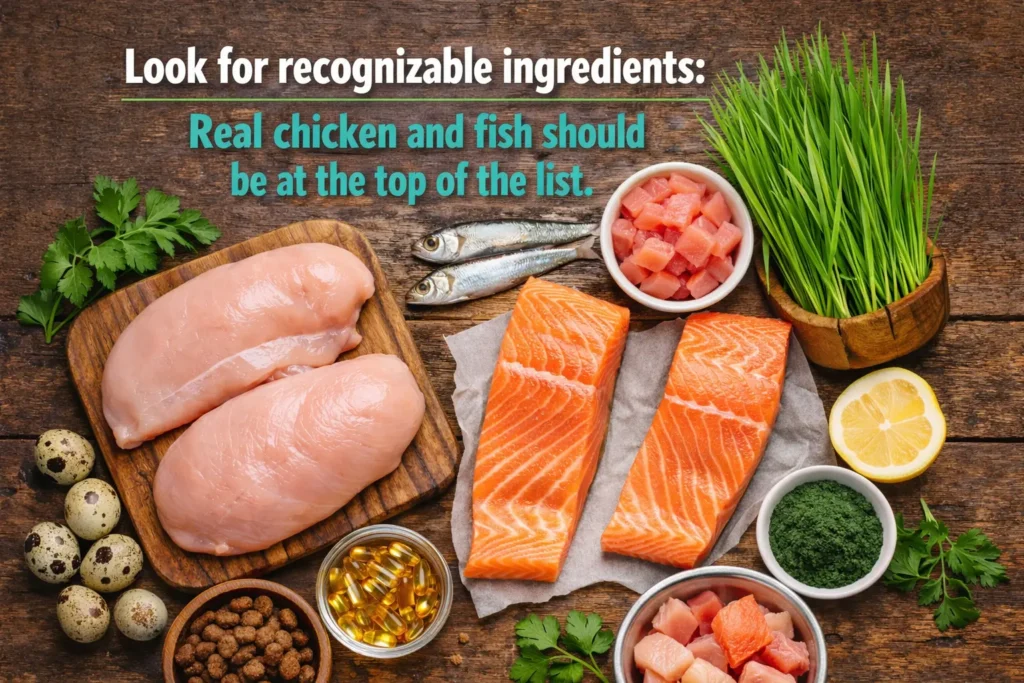
When selecting the best cat treats for weight loss, single-ingredient options are often the superior choice. They eliminate the risk of hidden sugars and artificial additives.
Chicken and Turkey
Poultry is a fantastic baseline for treats. Freeze-dried chicken breast is widely available and typically contains only about 2 calories per treat. It offers a satisfying crunch that many cats love and provides pure protein without the fat found in dark meat.
Salmon and Tuna
Fish flavors are highly palatable to most felines. Salmon and tuna are not only high in protein but also rich in Omega-3 fatty acids, which support skin and coat health. However, keep an eye on the calorie count, as fish can sometimes be slightly oilier than poultry.
Freeze dried minnows
If you want to tap into your cat’s inner hunter, freeze dried minnows are an excellent choice. These are whole, small fish that have been freeze-dried to preserve nutrients. They are incredibly low in calories (often less than 1 calorie per fish), high in protein, and provide a satisfying texture.
Top categories for healthy cat treats in 2026
Navigating the pet store can be overwhelming. To make it easier, we have categorized the best types of treats that fit a weight-loss lifestyle.
Freeze-dried cat treats
These are the gold standard for overweight cats. The process of freeze-drying removes moisture while locking in the raw nutrition of the meat.
- Pros: Usually single-ingredient, very high protein, no fillers or artificial colors.
- Cons: Can be crumbly; some cats prefer a different texture.
- Recommendation: Look for products like PureBites or Applaws freeze-dried chicken, which average around 2 calories per treat.
Crunchy natural grain free cat treats
Some cats crave a crunch. If your cat refuses soft treats, look for a “crunchy natural grain free cat” option. Brands like Wellness Kittles offer grain-free, crunchy snacks that are calorie-conscious.
- Pros: Helps clean teeth (mechanically), highly palatable.
- Cons: Often contain starch binders (peas, potatoes) to hold the shape, so they are rarely carb-free.
- Recommendation: Wellness Kittles Crunchy Natural Grain Free treats are a popular choice, often clocking in at just over 1 calorie per treat.
Dental treats
Dental health is vital, but many dental treats are large and calorically dense. If you use dental treats, you must be rigorous about counting them.
- Pros: Functional benefit for oral hygiene.
- Cons: Can be high in calories; often requires feeding a certain number to be effective, which can ruin a diet plan.
Interactive and training treats
If you are using treats to motivate your cat to exercise—like chasing a laser pointer or learning to “sit”—you need tiny, low-calorie options. You can break larger soft treats into minuscule pieces so the cat gets the reward of the flavor without the bulk of the calorie intake.
Wet food and lickable treats
Lickable treats (often sold in tubes) are very popular. They have high moisture content, which is great for hydration. However, check the label; some are high in calories or sodium. A small amount of low-calorie wet food on a spoon can also serve as a high-value reward.
DIY and natural treats for cats
If you want complete control over what goes into your cat’s body, making homemade treats is a great option.
Simple protein snacks
You can boil plain chicken breast (no salt, garlic, or onion) and cut it into tiny cubes. Store these in the fridge for a high-value training reward. Similarly, small pieces of cooked egg white are essentially pure protein and fat-free.
Cat grass
For a zero-calorie snack that provides environmental enrichment, grow a pot of cat grass (wheatgrass or oat grass). Many cats enjoy grazing on it. It aids digestion and gives them a “snack” activity that doesn’t add to their waistline.
Homemade “tuna fudge”
There are many recipes online for low-calorie tuna treats made with canned tuna (in water), egg whites, and a little flour substitute. By baking these yourself, you avoid preservatives and artificial colors.
Feeding guidelines: The 10% Rule
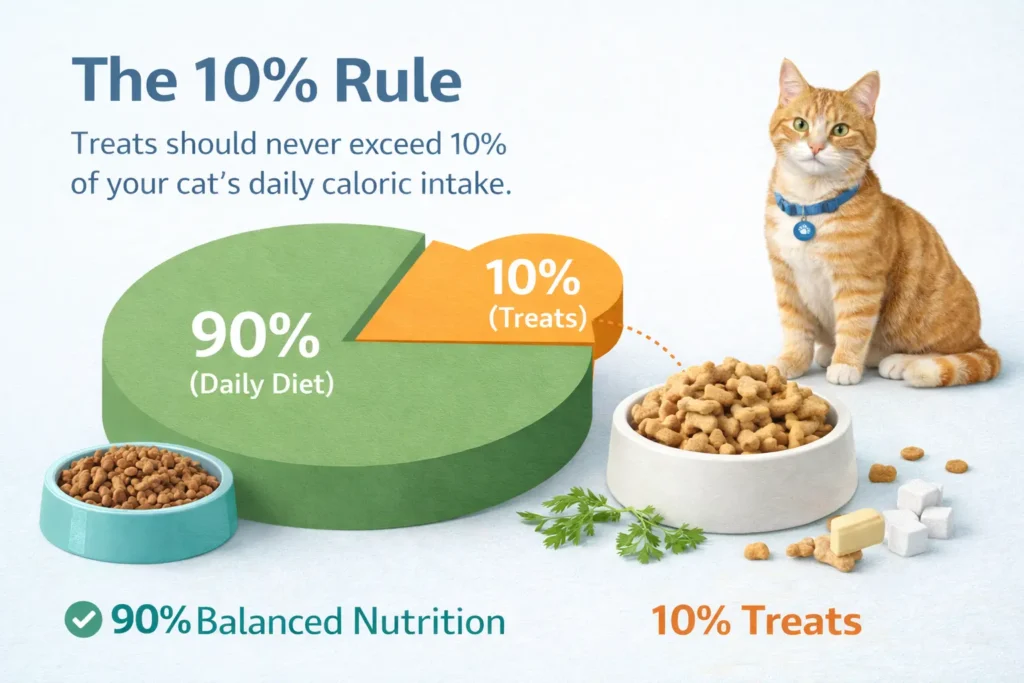
Even the healthiest treat can cause weight gain if overfed. The golden rule of veterinary nutrition is that treats should not exceed 10% of your cat’s daily caloric requirement.
How to calculate your cat’s allowance
- Determine daily needs: An average 10-pound indoor cat might need roughly 200–250 calories a day (consult your vet for your cat’s specific number).
- Calculate the 10%: If your cat eats 200 calories, only 20 calories should come from treats.
- Check the label: If a freeze-dried chicken chunk is 2 calories, your cat can have up to 10 per day. If a dental treat is 5 calories, they can only have 4.
Portion control strategies
- Break it up: Break one treat into four pieces. Your cat thinks they hit the jackpot because they got four rewards, but the calorie intake is the same.
- Make them work for it: Never put treats in a bowl. Use an interactive puzzle feeder or hide treats around the room to force your cat to hunt. This burns calories while they snack.
Monitoring progress through life stages
Weight management isn’t a “set it and forget it” task. As your cat moves through different life stages—from a high-energy kitten to a sedentary senior—their metabolic needs change.
Regular weigh-ins
Invest in a baby scale or weigh your cat at the vet monthly. If they aren’t losing weight (or are gaining) despite your strict treat counting, you may need to reduce their main meal portion or switch to a dedicated weight-loss cat food.
Senior considerations
Older cats often have lower energy requirements but may have reduced appetite due to health issues. For seniors, highly aromatic treats like lamb or beef liver can be enticing without requiring them to eat a large volume of food.
Conclusion
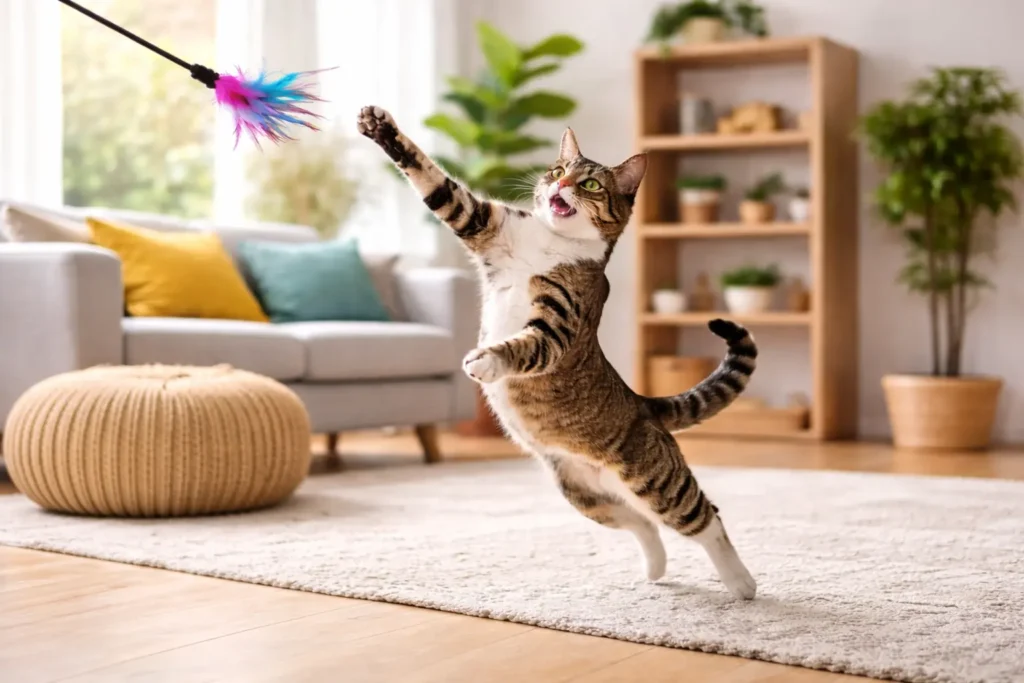
Helping your cat achieve a healthy weight doesn’t mean you have to destroy the bond you share through food. It simply requires a shift in perspective. By choosing a low-calorie option like freeze dried protein or crunchy natural grain free cat treats, you can continue to reward your friend while protecting their future health.
Remember to act as an informed pet parent: read the labels, avoid artificial ingredients, and stick strictly to the 10% rule. Whether you choose store-bought brands like Chewy favorites or make your own snacks, the goal is the same: a happier, healthier, and lighter cat.
If you are concerned about your cat’s weight or they seem prone to rapid weight gain, always consult your veterinarian before starting a strict diet plan. They can help you calculate exact calorie needs and ensure there are no underlying medical issues.
Start small today—swap that fatty cheese for a piece of freeze-dried salmon—and watch your cat thrive in 2026.