
We have all been there. You wake up in the middle of the night to that unmistakable sound—the rhythmic heaving that signals your cat is about to be sick on the rug. While an occasional hairball is normal, frequent vomiting, loose stools, or noxious gas often indicate that your cat has a sensitive stomach.
Navigating the pet food aisle can feel overwhelming. With hundreds of cat food formulas promising perfect digestion, how do you separate marketing fluff from nutritional science? The answer lies in the gut.
Just like humans, cats rely on a complex ecosystem of bacteria in their digestive tract to process nutrients and support their immune system. When this ecosystem falls out of balance, your cat needs support. In this guide, we will dive into the science of the feline gut and review the best cat food options to restore peace to your kitty’s tummy.
Understanding the Cat Microbiome
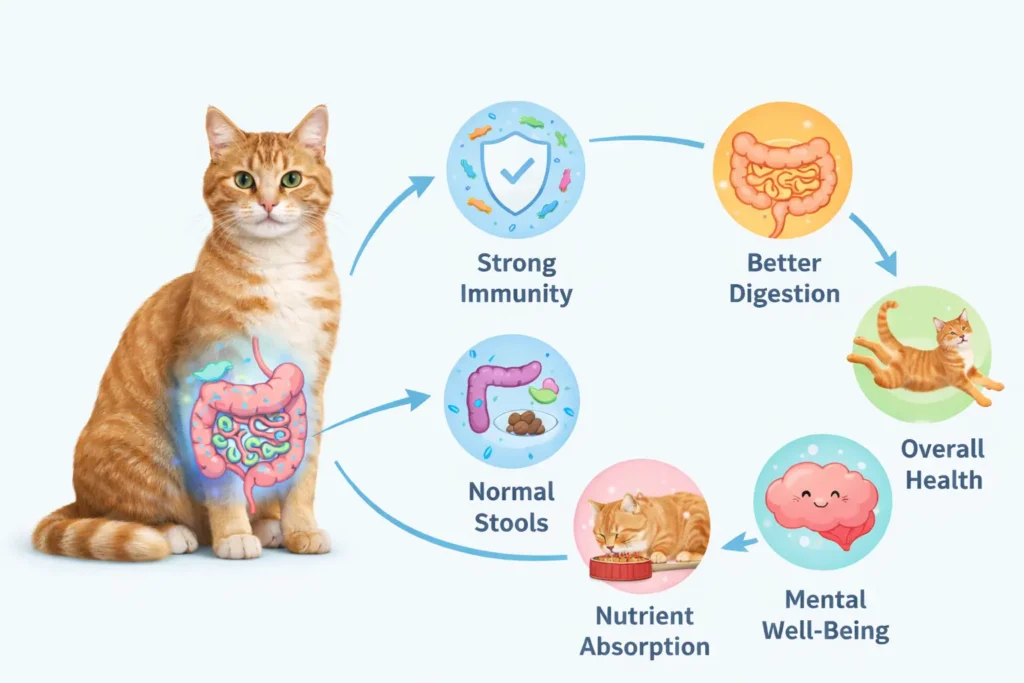
The gut microbiome is a bustling community of billions of bacteria, fungi, and other microbes living in your cat’s stomach and intestines. Think of it as a microscopic forest. When the forest is healthy, it protects against pathogens, produces vitamins, and helps digest food.
However, when the “bad” bacteria outnumber the “good” bacteria—a condition known as dysbiosis—digestive health suffers. This imbalance is often the root cause of food sensitivities and chronic stomach issues.
Signs of an Unhealthy Microbiome
How do you know if your cat food is failing their microbiome? Look for these common symptoms:
- Vomiting or diarrhea: Chronic issues that aren’t related to a parasite.
- Excessive gas: If your cat may clear a room after using the litter box, digestion is likely compromised.
- Poor coat condition: A dull or flaky coat often reflects poor nutrient absorption.
- Lethargy: A cat with a sensitive stomach may feel too unwell to play.
Understanding that diet is the primary driver of microbiome health is the first step toward a healthy cat. By choosing the right food, you can feed the good bacteria and starve the bad.
Key Ingredients for a Healthy Cat Microbiome
When scanning labels for the best food for cats with sensitive stomachs, you shouldn’t just look at the flavor. You need to look for specific components that support digestion.
Prebiotics: The Fertilizer
Prebiotics are specific types of fiber that your cat cannot digest. Instead, they travel to the colon where they serve as food for beneficial bacteria. Essentially, they are the fertilizer for your gut garden.
Look for cat food formulas that include:
- Fructooligosaccharides (FOS)
- Mannanoligosaccharides (MOS)
- Inulin (often sourced from chicory root)
- Beet pulp
Probiotics: The Seeds
If prebiotics are the fertilizer, probiotics are the seeds. These are live, beneficial bacteria added to the food to colonize the gut.
Scientific evidence supports their use. A study published in the Journal of Veterinary Internal Medicine found that shelter cats fed the probiotic Enterococcus faecium SF68 had significantly fewer episodes of diarrhea (lasting 2 days or more) compared to those given a placebo. This specific strain is widely regarded by the veterinarian community as effective for managing stress-related and dietary diarrhea.
High-Quality Protein Sources
Cats are obligate carnivores, meaning they require meat. However, the protein source matters. Hard-to-digest proteins can linger in the gut, causing inflammation.
- Hydrolyzed Protein: The protein is broken down into tiny pieces so the immune system doesn’t recognize it as a threat.
- Novel Proteins: Duck, venison, or rabbit are proteins your cat has likely never eaten, reducing the risk of an allergic reaction.
- Digestible Poultry: High-quality chicken or turkey is excellent for cats without specific poultry allergies.
Limited Ingredients
Sometimes, less is more. A limited ingredient diet minimizes the variables. By reducing the number of components, you lower the chance of your cat ingesting an allergen. Common irritants to avoid include corn, wheat, soy, and artificial preservatives.
Top Microbiome-Friendly Cat Food Recommendations (2026 Vet Guide)
Based on nutritional analysis and ingredient quality, here are our top picks for the best food to soothe a sensitive stomach.
1. Hill’s Science Diet Sensitive Stomach & Skin
Hill’s Science Diet is a staple recommendation because it is backed by extensive clinical research. Their sensitive stomach formula is designed for optimal nutrient absorption.
Key Features:
- Contains prebiotic fiber (FOS) to fuel gut bacteria.
- Highly digestible chicken and rice recipe.
- Enriched with omega-3 fatty acid and Vitamin E for skin health.
Pros:
- Widely available and trusted by vets.
- Addresses both skin and stomach issues (which often go hand-in-hand).
- High palatability for picky eaters.
Cons:
- Contains grain (rice/corn gluten meal), which some owners prefer to avoid, though it is highly digestible.
Vet Review: This is an excellent baseline dry cat food for an adult cat with mild to moderate digestive upset. It provides balanced nutrition while being gentle on the system.
2. Royal Canin Digestive Care
Royal Canin focuses heavily on the shape and texture of the kibble to encourage chewing, which slows down eating—a common cause of regurgitation.
Key Features:
- Highly digestible proteins (L.I.P.) tailored for better digestion.
- Specific blend of prebiotics and fibers to promote balanced intestinal flora.
- Proven results: Royal Canin claims over 95% healthy stool quality in 10 days.
Pros:
- Ring-shaped kibble reduces rapid eating.
- Focuses on stool quality and volume.
- Available in both wet and dry cat food formats.
Cons:
- Price point is higher than standard commercial brands.
Vet Review: If your cat’s primary issue is regurgitation or eating too fast, this formula is a top contender. The wet food option is also great for hydration.
3. Purina Pro Plan Veterinary Diets EN Gastroenteric
This is a therapeutic diet, meaning you typically need authorization from a vet. It is formulated for cats with severe gastrointestinal issues.
Key Features:
- High protein, low carbohydrate to support the unique metabolic needs of cats with GI disease.
- Contains the St/Ox defense system to promote urinary health.
- Often used in conjunction with FortiFlora (the Enterococcus faecium supplement).
Pros:
- Clinical-strength support for severe vomiting or diarrhea.
- Energy-dense, so cats don’t need to eat large volumes.
Cons:
- Requires a prescription.
Vet Review: For cats with digestive issues that don’t resolve with over-the-counter food, this is often the gold standard.
4. Blue Buffalo Basics Skin & Stomach Care
For cat parents looking for a natural, limited ingredient option without a prescription, Blue Buffalo is a strong choice.
Key Features:
- Single animal protein source (Turkey) to minimize food sensitivities.
- Pumpkin and pea fiber included to aid digestion.
- Free from chicken (a common allergen), beef, corn, wheat, soy, dairy, and eggs.
Pros:
- True limited ingredient diet.
- Includes “LifeSource Bits”—a blend of antioxidants, vitamins and minerals.
Cons:
- Some cats may pick out the LifeSource bits if they are fussy texture eaters.
Vet Review: Ideally suited for a cat with a sensitive stomach suspected to be caused by a chicken intolerance.
5. Natural Balance L.I.D. Limited Ingredient Diets (Green Pea & Duck)
Another excellent limited ingredient contender, specifically for cats who need a novel protein.
Key Features:
- Duck is the primary protein; Green Peas provide carbohydrates.
- Grain-free formula.
- Focuses on simplicity to avoid triggering the immune system.
Pros:
- Novel protein (Duck) is rarely an allergen.
- Good for cats with severe food intolerances.
Cons:
- Grain-free diets are controversial for dogs (heart issues), though the link is less established in cats. Always consult your veterinarian.
Vet Review: A great elimination diet option to test if your cat reacts to common proteins like beef or fish.
How to Transition Your Cat to a New Food
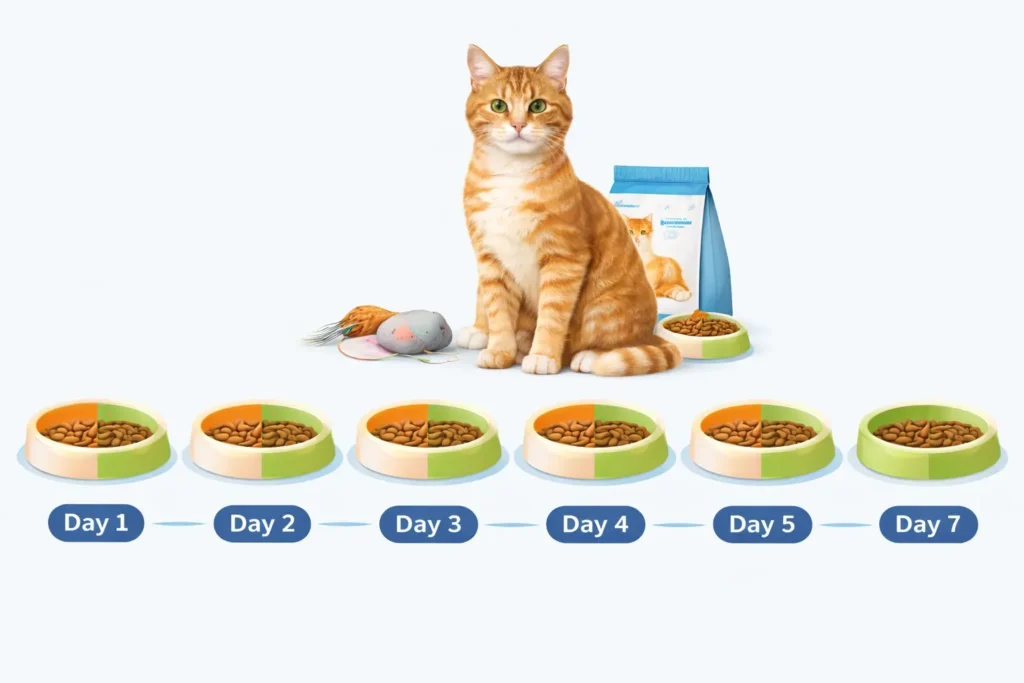
Finding the best cat food is only half the battle. If you switch your cat’s diet too quickly, you will almost certainly cause stomach upset. The gut microbiome needs time to adapt to new ingredients.
Follow this 7-to-10 day schedule to safely transition your cat to a new diet:
- Days 1-3: Mix 25% new food with 75% old food.
- Days 4-6: Mix 50% new food with 50% old food.
- Days 7-9: Mix 75% new food with 25% old food.
- Day 10: Feed 100% new food.
Monitor your cat’s stomach closely during this period. If diarrhea or refusal to eat occurs, slow down the transition. Return to the previous ratio for a few more days before proceeding.
Tip: If you have a multi-pet household, ensuring the sensitive cat eats only their specialized food is crucial. Advanced technology can assist with this. For instance, hyper-personalized biometric diets for cats utilize facial recognition feeders to ensure the right cat gets the right food, preventing food theft that could trigger a flare-up.
Other Tips for Supporting Your Cat’s Microbiome
Food is the foundation, but a holistic approach ensures long-term wellness.
Prioritize Hydration
Water is essential for digestion and nutrient absorption. Chronic dehydration can lead to constipation and strain the kidneys.
- Wet Food: Incorporating wet cat food is the easiest way to boost water intake.
- Fresh Water: Ensure water bowls are clean and refreshed daily.
- Renal Health: If your senior cat has a sensitive stomach, be aware that kidney issues often mimic digestive problems. Managing hydration is critical for both. You can read more about balancing these needs in our article on the best food for cats with early-stage kidney disease UK.
Reduce Stress
The brain and the gut are connected. A stressed cat often becomes a sick cat. Changes in routine, new pets, or loud noises can disrupt the microbiome, leading to “stress colitis.” Provide safe hiding spots, vertical scratching posts, and maintain a consistent feeding schedule to keep your cat calm.
Regular Vet Check-ups
If you switch to a sensitive stomach cat food and symptoms persist, do not wait. Chronic vomiting can be a sign of inflammatory bowel disease (IBD), lymphoma, or pancreatitis. Your vet may recommend blood work or an ultrasound to rule out these serious conditions. Always ask your vet before starting supplements or restrictive diets.
Conclusion
Caring for a cat with a sensitive stomach requires patience and observation. There is no single best food for every cat, but understanding the role of the microbiome gives you a powerful advantage.
By selecting high-quality cat food rich in prebiotics, fortified with probiotics, and utilizing easily digestible proteins, you can help restore balance to your pet’s digestive tract. Remember to transition slowly, keep them hydrated, and monitor their stool quality as a health indicator.
A happy gut leads to a happy cat. If you are ready to banish the midnight stomach gurgles, try one of these veterinarian-approved options and watch your cat thrive.
Have you successfully managed your cat’s sensitive stomach? Share your cat food pick and experiences in the comments below!