
Most pet owners know the feeling: your cat gives you that look, and you fill the bowl again. But when does a cute, chubby cat become a health risk? If you’ve heard about the revolution in human weight loss drugs like Ozempic, you might be wondering if there is a similar solution for your feline friend.
As a veterinary nutritionist, I’m seeing more questions than ever about GLP-1 and how it relates to cat food. While we can’t simply hand our pets human medication, nutritional science is advancing rapidly. Understanding how these hormones work can help you choose the best diet to help your overweight cat live a longer, healthier life.
In this guide, we’ll look at the science behind weight management, explore GLP-1 research for pets, and review the top dry cat food options for 2026 to help you tackle feline obesity.
Understanding Pet Obesity and GLP-1
Pet obesity is one of the most common yet least effectively treated health issues in veterinary medicine today. According to the Association for Pet Obesity Prevention, nearly 60% of cats in the US are classified as overweight or obese. In the UK, similar trends are worrying veterinarians. Excess weight isn’t just cosmetic; it significantly shortens life expectancy and increases the risk of diabetes and arthritis.
What is GLP-1 and how does it work in cats?
GLP-1 (Glucagon-like peptide-1) is a hormone naturally produced in the intestines. In simple terms, it tells the brain, “I’m full,” and helps regulate blood sugar levels.
When a cat eats, GLP-1 is released. It slows down gastric emptying (how fast food leaves the stomach) and signals satiety. However, in obese cats, this signaling process can be disrupted. Nutritional strategies that naturally stimulate GLP-1 secretion can be a game-changer for weight control.
The role of GLP-1 drugs like Ozempic
In humans, GLP-1 drugs (agonists) mimic this hormone to suppress appetite significantly. Drugs like Ozempic and Wegovy have transformed human medicine. Currently, there is no FDA-approved GLP-1 program for dogs or cats that mirrors human weekly injections.
However, research is advancing. A recent study at Cornell University College of Veterinary Medicine is investigating a glp-1 protein designed to help cats. This trial will assess a protein therapy—specifically an Fc-fusion protein platform—aiming to give cats the chance at longer, healthier lives. The goal is tailoring immune system interactions to achieve extended duration of action, potentially leading to weekly injections like those seen in humans. Until we have the data needed for the regulatory approval of these drugs, diet remains our most powerful tool.
Key Nutrients for Weight Control in Cat Food
You don’t need a prescription injection to help manage your cat’s weight hormones. The right pet food can naturally influence how your cat’s body regulates appetite.
High protein content for feline muscle mass
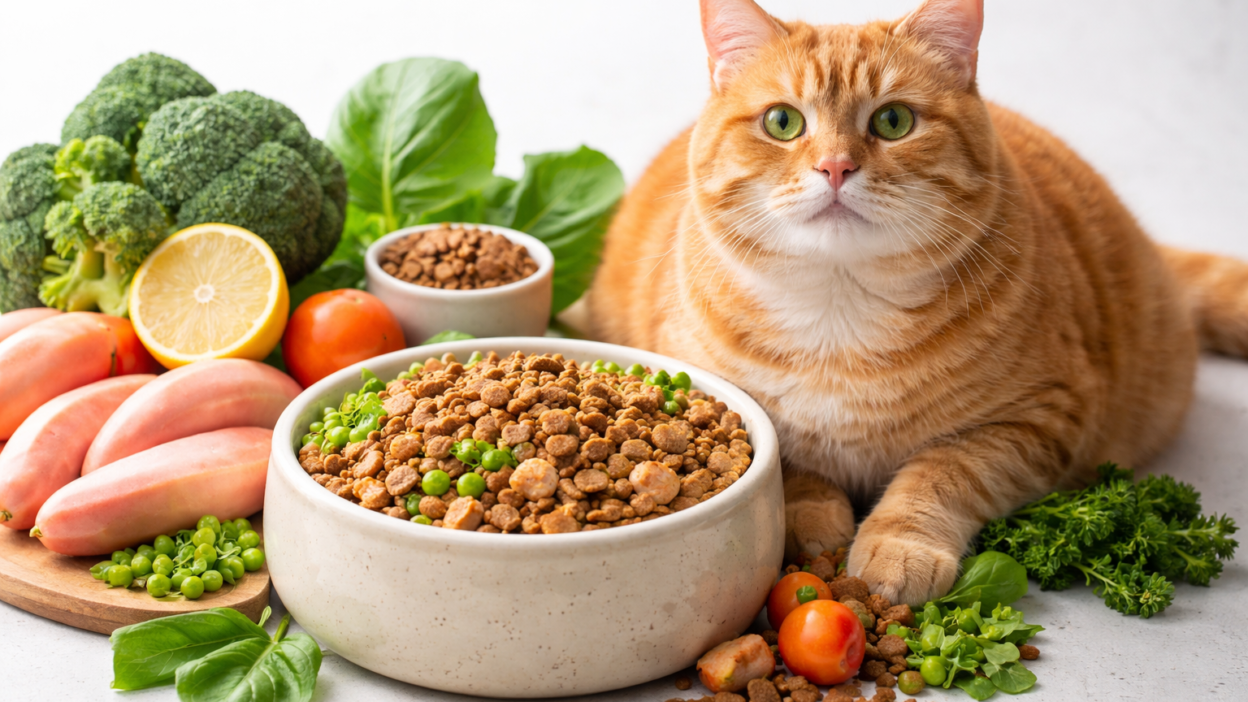
Cats are obligate carnivores. Their bodies are designed to thrive on protein. High-protein diets are crucial because they maintain lean muscle mass while the cat loses fat. Muscle burns more calories than fat, keeping the metabolic rate high.
Limited carbohydrates to prevent fat storage
Unlike humans, cats do not process carbohydrates efficiently. Excess carbs in dry cat food are quickly converted into glucose and stored as fat. A GLP-1 friendly approach often mimics a natural prey diet: high protein, moderate fat, and very low carbohydrates.
Optimal fiber levels for satiety and weight management
Fiber is the secret weapon for satiety. It adds bulk to the food without adding calories, physically filling the stomach and helping regulate their appetite. Certain fermentable fibers also feed healthy gut bacteria, which can influence metabolic health.
Top Dry Cat Food Brands for Overweight Cats (2026)
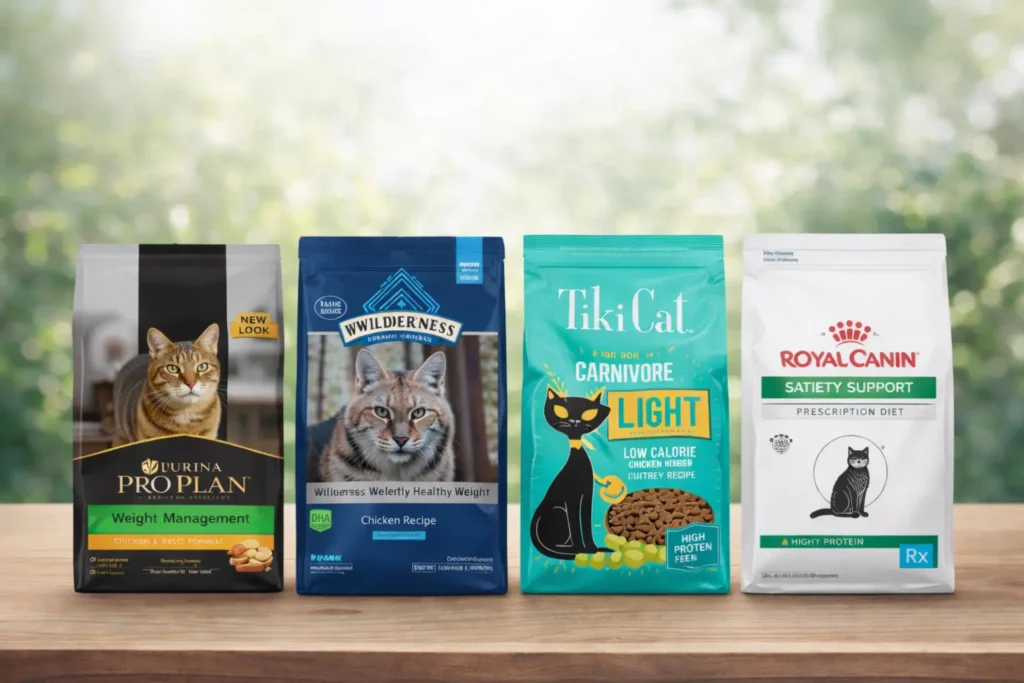
Choosing a food to help cats lose weight can be overwhelming. Below is a comparison of top brands formulated for weight management in adult cats. These selections prioritize high protein and satiety.
| Brand Name | Protein Content | Fiber Content | Key Ingredients | Price per Pound | Vet Rating |
|---|---|---|---|---|---|
| Purina Pro Plan weight management | 46% (min) | 5% (max) | Turkey, Chicken Meal, Soy Protein | $$ | 4.8/5 |
| Blue Buffalo Wilderness Healthy Weight | 38% (min) | 7.5% (max) | Deboned Chicken, Chicken Meal, Pea Protein | $$$ | 4.5/5 |
| Hill’s Science Diet Perfect Weight | 38% (min) | 10.4% (max) | Chicken, Brewers Rice, Corn Gluten | $$ | 4.9/5 |
| Royal Canin Satiety Support (Rx) | 34% (min) | 18% (max) | Chicken By-Product, Powdered Cellulose | $$$$ | 5/5 |
| Tiki Cat Born Carnivore Light | 44% (min) | 4.5% (max) | Deboned Chicken, Turkey Meal | $$$ | 4.7/5 |
Note: Always check with your vet before switching to a specialized diet, especially prescription options like Royal Canin.
How to Choose the Right Cat Food for Weight Loss
Not every “diet” food works for every cat. Here is how to navigate the aisle.
Consulting your veterinarian
Your veterinarian is your best resource. They can calculate your cat’s specific caloric needs based on their ideal weight, not their current weight. They can also rule out underlying medical causes for weight gain, such as thyroid issues.
Reading labels and understanding ingredients
Ignore the marketing images on the front of the bag. Look at the Guaranteed Analysis on the back.
- Protein: Look for at least 35-40% protein on a dry matter basis.
- Fat: Moderate fat levels (around 10-12%) are usually ideal.
- Ingredients: The first ingredient should be a named protein source (e.g., “Chicken” not “Poultry By-Product”).
Transitioning your cat to a new diet
Cats are creatures of habit. Introducing new food too quickly can cause vomiting or refusal to eat.
- Days 1-3: Mix 25% new food with 75% old food.
- Days 4-6: Mix 50% new food with 50% old food.
- Days 7-9: Mix 75% new food with 25% old food.
- Day 10: 100% new food.
Feeding Strategies to Help Cats Lose Weight
Buying the right food is only half the battle. How you feed them matters just as much.
Portion control and scheduled feeding times
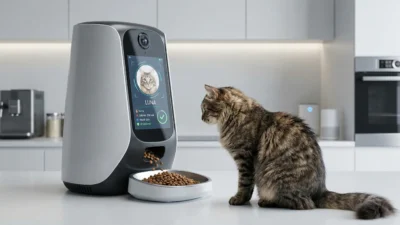
Free-feeding (leaving a bowl of food out all day) is the enemy of weight loss. It leads to mindless snacking. Measure food precisely using a kitchen scale, not a measuring cup. Grams are more accurate than volume.
Using puzzle feeders to slow down eating
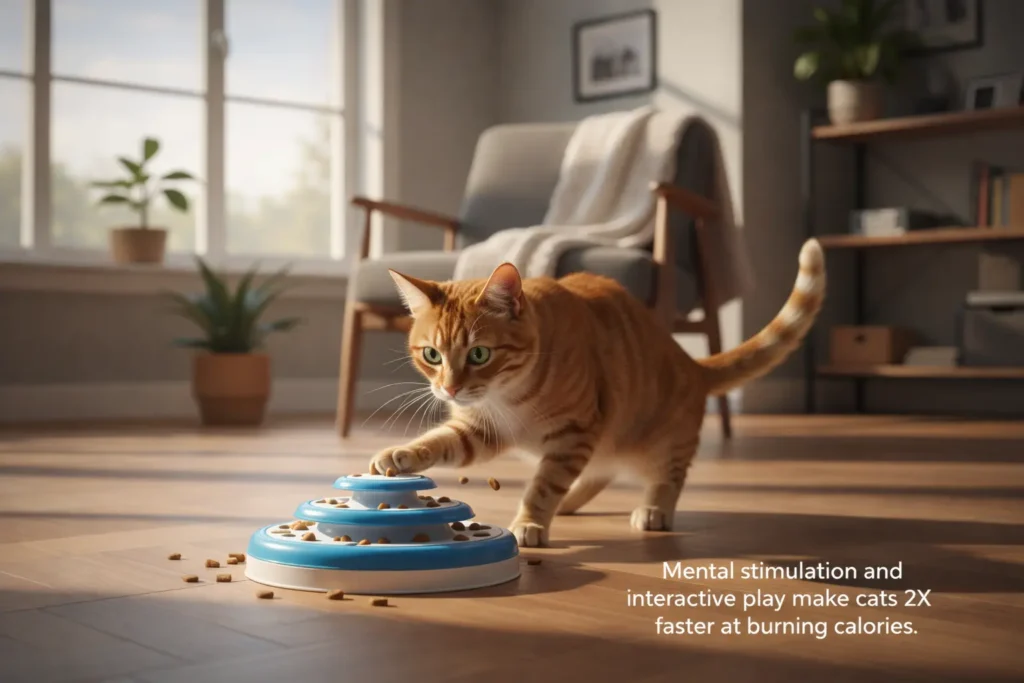
Puzzle feeders mimic the hunting instinct. They force the cat to work for their food, slowing down intake and allowing GLP-1 signals to reach the brain before they overeat.
Increasing physical activity
Calories in, calories out. Even 10 minutes of play twice a day makes a difference. Laser pointers, feather wands, or even teaching your cat to walk on a leash can help burn excess weight.
Natural Cat Food Options and Supplements
Beyond standard kibble, other factors influence pet health.
Grain-free vs. grain-inclusive diets
The grain-free debate continues. For weight loss, the “grain-free” label matters less than the total carbohydrate count. A grain-free food full of potato starch is just as fattening as one with corn. Focus on low-carb, regardless of the grain status.
The role of L-Carnitine in pet health
L-Carnitine is an amino acid supplement found in many weight-loss diets. It helps the body turn fat into energy. It is particularly useful for helping cats maintain muscle mass while dropping pounds.
Omega-3 fatty acids for inflammation
Obesity causes chronic, low-grade inflammation. Omega-3s (found in fish oil) help reduce this inflammation and support joint health, which is vital for overweight cats who may be struggling to move comfortably.
Monitoring Your Cat’s Progress
Weight loss should be slow and steady. Rapid weight loss in cats can lead to hepatic lipidosis (fatty liver disease), which is fatal.
Regular weigh-ins and body condition scoring
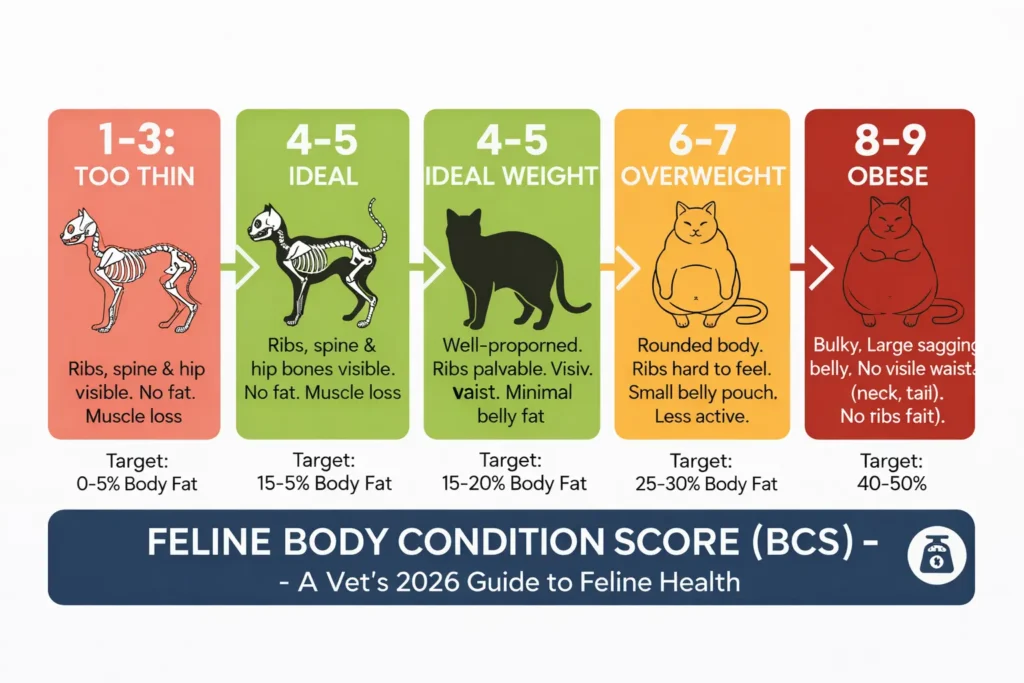
Weigh your cat every two weeks. You can buy a baby scale for home use. Also, use the Body Condition Score (BCS) chart. You should be able to feel (but not see) their ribs and see a defined waistline when looking from above.
Adjusting food portions as needed
If your cat isn’t losing weight after a month, reduce calories by 10%. If they are losing more than 1-2% of their body weight per week, increase food slightly.
When to seek professional veterinary advice
If your cat is eating the prescribed amount but not losing weight, or if they seem lethargic, return to the vet. This could indicate a metabolic slowdown or hormonal imbalance requiring different intervention.
Conclusion: Achieving a Healthy Weight for Your Cat
Managing feline obesity is a marathon, not a sprint. While we await future pharmaceutical solutions like a protein designed to help cats regulate appetite similarly to Ozempic, nutrition remains our primary treatment.
By selecting high-protein, fiber-rich cat food, controlling portions, and engaging in active play, you can help cats lose weight effectively. This effort addresses a real unmet need and aiming to solve one of the biggest threats to pet health.
Remember, every pound lost gives your cat more energy, less pain, and more time with you. If you are struggling, reach out to your vet. We are here to help your cat thrive.