
For decades, feeding a cat meant one thing: scooping kibble into a bowl twice a day. But as our understanding of pet care evolves, so does the technology we use to care for them. We are entering a new era of pet ownership, one where “one size fits all” is replaced by hyper-personalized nutrition tailored to the unique biology of every animal.
Just as humans use smartwatches to track steps and heart rate variability to optimize their health, our feline companions are now benefiting from similar advancements. The rise of hyper-personalized biometric diets is transforming how we approach feline nutrition. It’s no longer just about filling a bowl; it’s about using data to fuel a longer, healthier life for your furry best friend.
This shift is driven by a convergence of advanced technology—from facial recognition technology to AI-driven analysis—and a deeper desire among every pet parent to provide the best possible care. Imagine a world where your cat feeder knows exactly who is eating, how much they need based on their daily activity, and even dispenses specific nutrients to address potential health issues before they become problems. That future is here.
The Science Behind Biometric Diets for Felines
The core concept of a biometric diet is simple: nutrition based on data, not guesswork. Every cat has a unique metabolic rate, activity level, and genetic predisposition. A diet that keeps one cat lean and energetic might lead to pet obesity in another. To solve this, we need accurate, real-time information.
Collecting the Data with Wearables
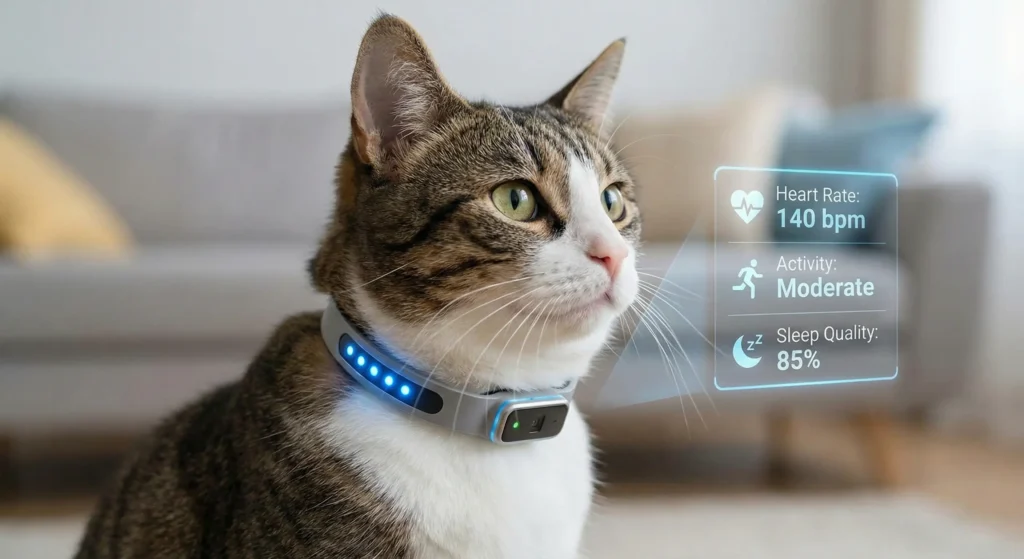
The foundation of this approach is biometric data. This information is gathered through various touchpoints in a smart home ecosystem. Wearables, such as a specialized collar sensor, track vital signs like heart rate, respiratory rate, and sleep quality. They also monitor activity levels—distinguishing between a cat that zooms around the house for three hours versus one that sleeps in a sunbeam all day.
This data provides a baseline for understanding a cat’s caloric burn. When combined with input from the pet owner regarding age, breed, and weight, algorithms can calculate the precise dietary needs required to maintain optimal health.
The Role of AI in Customized Nutrition
Once the data is collected, artificial intelligence takes over. AI and machine learning algorithms analyze the patterns in the data to create a dynamic meal plan. If a cat’s activity level drops significantly due to age or injury, the AI adjusts the recommended caloric intake to prevent weight gain.
This level of personalized nutrition goes beyond simple calorie counting. It can identify subtle changes in appetite or behavior that might signal underlying issues, such as anxiety or dental pain. By tailoring the diet to the individual, we can promote optimal well-being and potentially extend the lifespan of our furry friends.
Best Technologies: The Rise of the Automatic Cat Feeder
The implementation of these sophisticated diets relies on a suite of hardware and software working in harmony. The days of the passive plastic bowl are numbered as smart devices take center stage.
Smart Feeders and Precision Dispensing
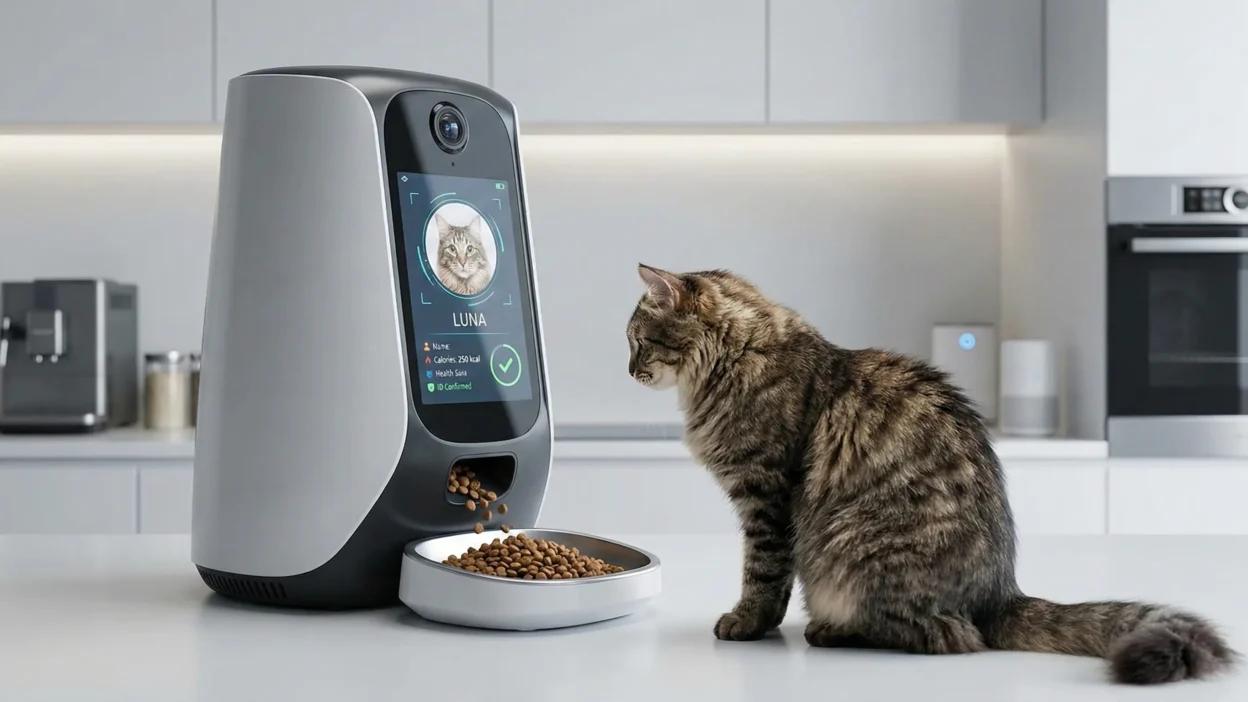
The modern automatic cat feeder is a far cry from the gravity-fed bins of the past. Today’s smart feeders act as precise food dispensers, capable of measuring out exact portions to the gram. This prevents the “eyeball method” of feeding, which is often the culprit behind weight creeping up in adult cats.
These devices can dispense small, frequent meals throughout the day, mimicking a cat’s natural hunting behavior. Whether you are using dry kibble or specialized freeze-dried customized blends, the food hopper ensures consistency.
Facial Recognition Technology in Multi-Cat Households
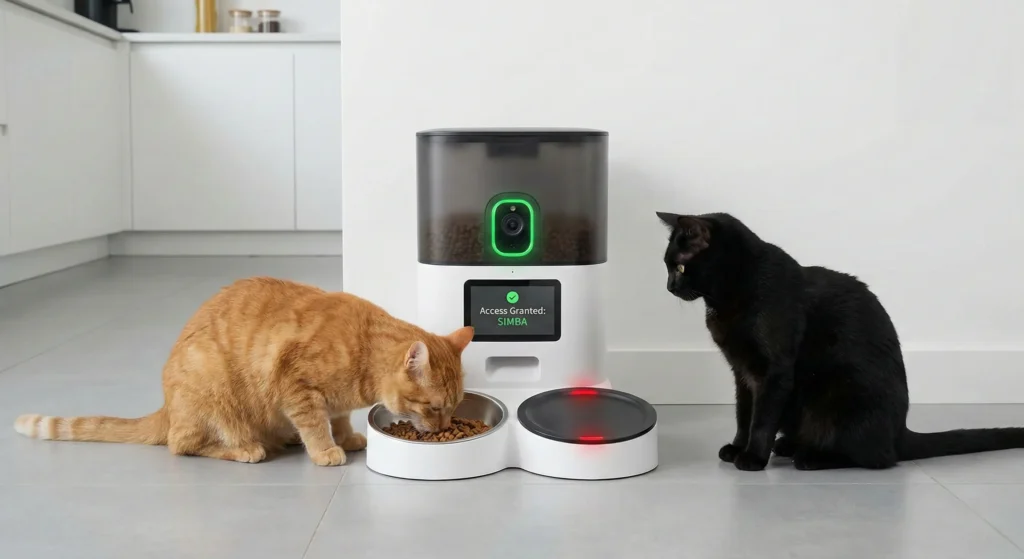
One of the biggest challenges in multi-cat homes is ensuring each animal eats their own food—and only their own food. This is where facial recognition becomes a game-changer.
Advanced pet feeders equipped with cameras uses facial recognition to identify which cat is approaching the bowl. The feeder will only open the food hopper for the authorized cat. This effectively stops the “food bully” from stealing dinner and ensures that a cat on a prescription diet doesn’t accidentally ingest regular food. For households with both dogs and cats, this tech is invaluable.
Night Vision: Monitoring While You Sleep
Many modern feeders now come equipped with night vision cameras. Since cats are crepuscular (active at dawn and dusk), this feature allows you to monitor behavioral issues or feeding habits that happen while you are asleep. You can see if your cat is pacing or seeking food, providing insights that you might otherwise miss.
Ingredients of the Future: Insect Protein & Sustainability
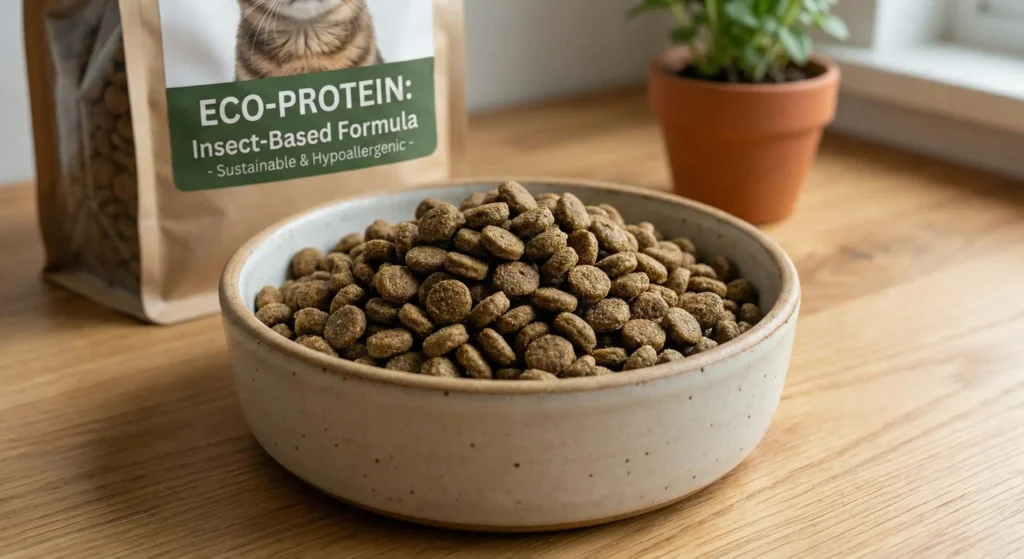
Technology is only half the equation; the fuel itself matters. Biometric diets often partner with food companies that prioritize premium nutrition. We are seeing a rise in sustainable options like insect protein.
Insect protein is hypoallergenic, easy to digest, and incredibly sustainable compared to traditional meat sources. For an eco-conscious pet owner, combining a solar-powered auto cat feeder with an insect-protein diet is the ultimate way to reduce their pet’s carbon footprint while providing top-tier nutrition.
Addressing Health: From Weight Loss to Hydration
Transitioning to an automatic pet feeder isn’t just about convenience; it is a health intervention. These devices serve as the central hub for your cat’s dietary management.
Managing Weight with Data
Pet obesity is a growing epidemic. An automatic feeder paired with analysis serves as a relentless weight management tool. If a cat needs to lose food, the system can reduce portions incrementally so the cat barely notices, avoiding the “starvation mode” response. For owners exploring medical options, read more about new treatments in our guide on GLP-1 cat food for weight loss.
Hydration and Early Detection
We often focus heavily on food, but hydration is equally vital. Advanced wearables and smart water fountains now monitor how much a cat drinks. A sudden increase in thirst can be a sign of diabetes, while a decrease can indicate illness. This “early warning system” can prompt a vet visit days before clinical signs become obvious, giving your veterinarian valuable data history.
Conclusion: The Future of Pet Care
The era of the “dumb” bowl is ending. Hyper-personalized biometric diets offer a range of benefits that extend far beyond convenience. By leveraging facial recognition, smart feeders, and collar sensors, we can ensure every cat gets exactly what they need to thrive.
Whether you are managing a multi-pet home, caring for a senior feline, or simply want to prevent potential health issues, this technology offers a proactive solution. It strengthens the bond between human and animal by removing the stress of feeding management and replacing it with the confidence of data-backed veterinary care. The future of pet tech is personalized, precise, and undeniably bright.